Water less in winter: a calendar, not a schedule
"Every Sunday" is how most houseplants die in December. Why winter watering is about checking, not counting.
Most of our customers who lose a plant in winter tell us the same thing: "But I watered it every Sunday, like in summer." That is exactly the problem. The plant did not change its habits. The season did.
What changes in winter
In Lviv, December days are short and grey, and the radiators are on. Two things happen at once: plants grow much more slowly, because there is little light, and the air becomes very dry, because of the heating. Slow growth means the roots drink less. Dry air means the leaves lose more. The soil, meanwhile, stays wet longer in a cool room.
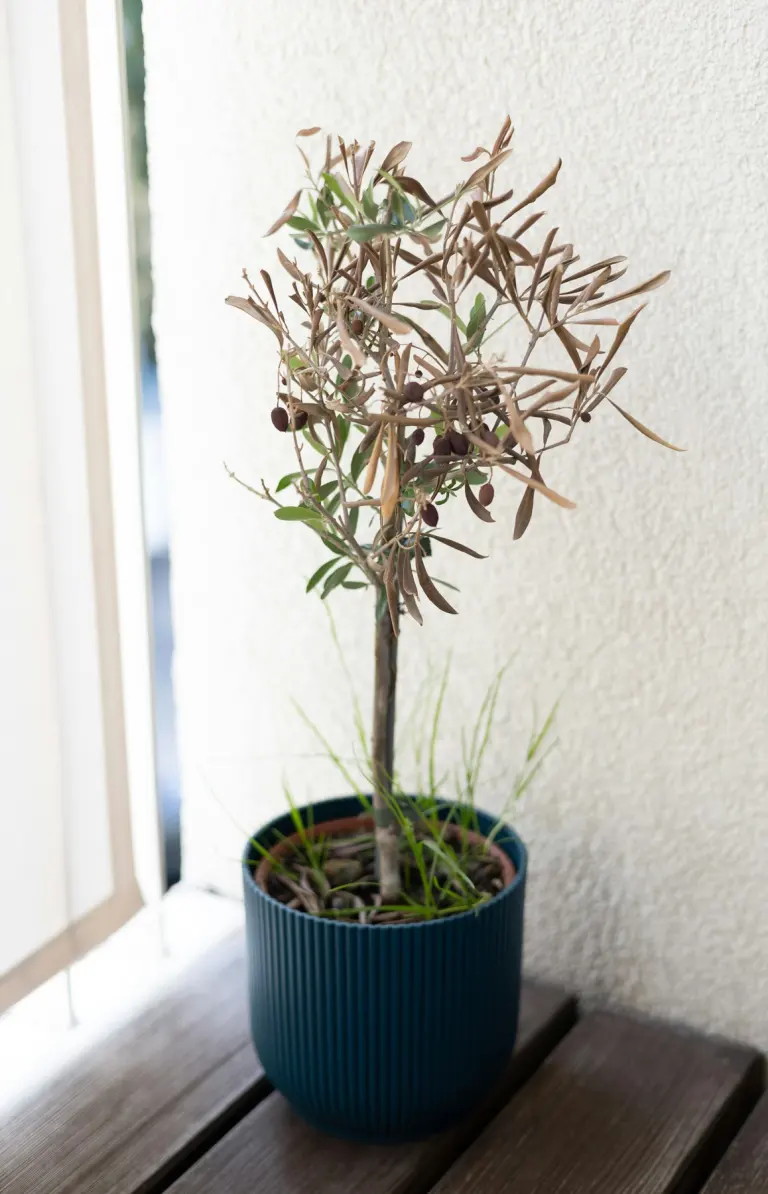
The result is a plant that looks thirsty (crisp leaf edges) while its roots are sitting in wet soil. Watering more makes it worse.
Check, then water
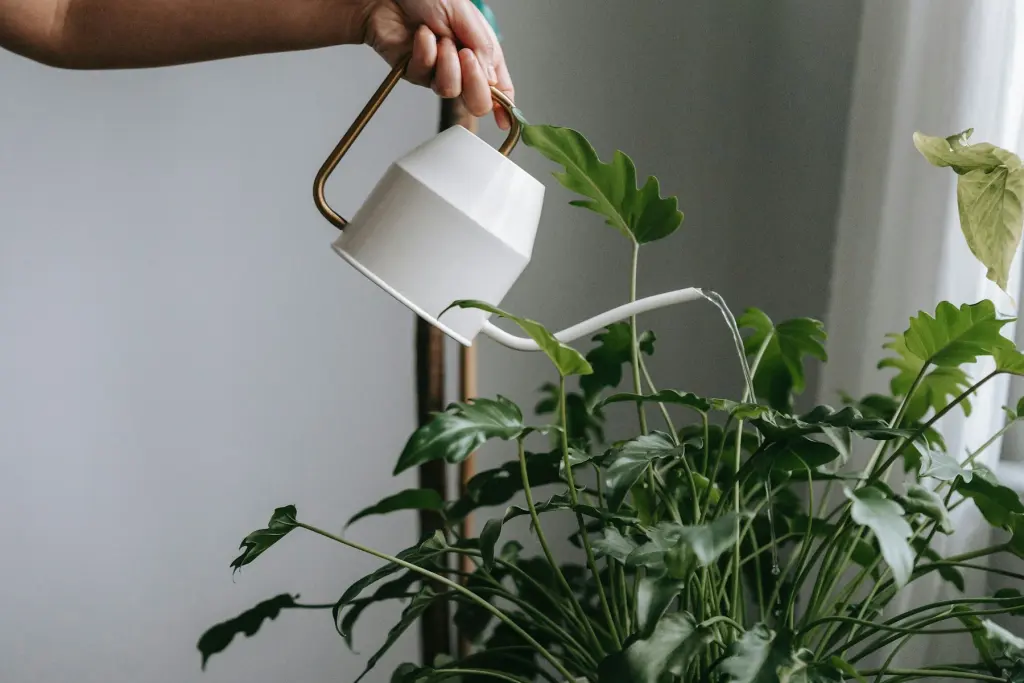
Push a finger into the soil up to the second knuckle. Dry at your fingertip: water. Damp: wait, and check again in three days. For big pots, a wooden chopstick works: push it in, leave it ten minutes, and see if it comes out dark.
- Water thoroughly when you do, until it runs out of the bottom.
- Use room-temperature water; cold water on warm roots is a shock.
- Empty the saucer after twenty minutes.
Humidity is a separate problem
Crisp brown tips in winter are usually about the air, not the soil. Group plants together, keep them away from radiators, and if you want a gadget, a small humidifier helps more than misting ever will.1
The calendar tells you the season. The soil tells you when to water.
A rough guide, not a rule
For our own plants in the studio, the gap between waterings roughly doubles from November to February. Succulents and cacti get water once a month at most, and some not at all. In March, when the light comes back, we start checking more often again, and the first new leaves are the signal to go back to summer habits.
The seasonal care wheel on the journal's front page has the rest of the year, month by month.
Notes
- Misting raises humidity for a few minutes. It also leaves water sitting on leaves in a cool room, which is how fungal spots start. Jump to footnote reference 1
From the shop
Ask the gardener
A question about your own plant? Olena answers by email, usually within two days.