Why we glaze the inside of every pot
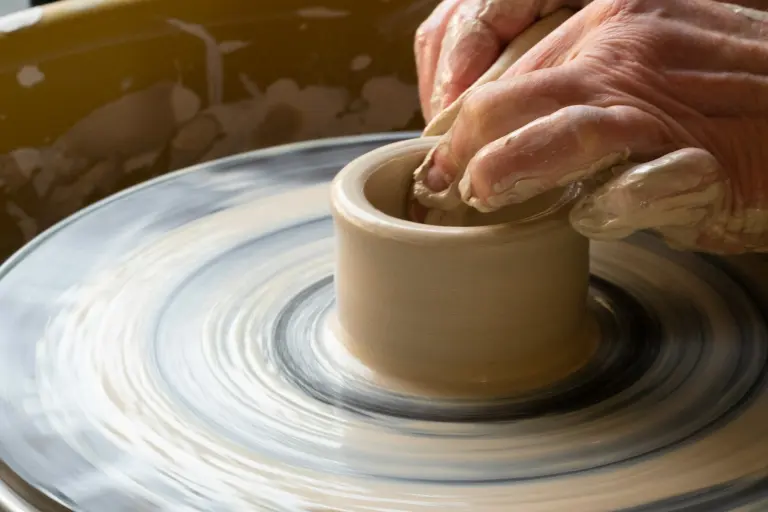
A bare clay outside, a glassy inside. It is not a style choice — it is about water, frost and what happens to your windowsill.
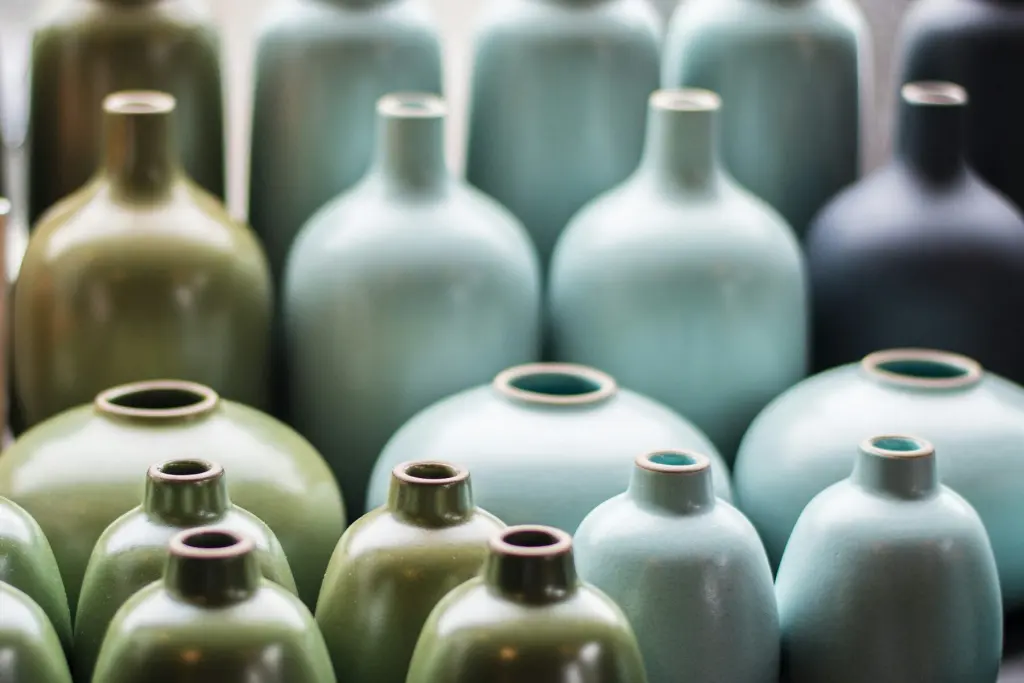
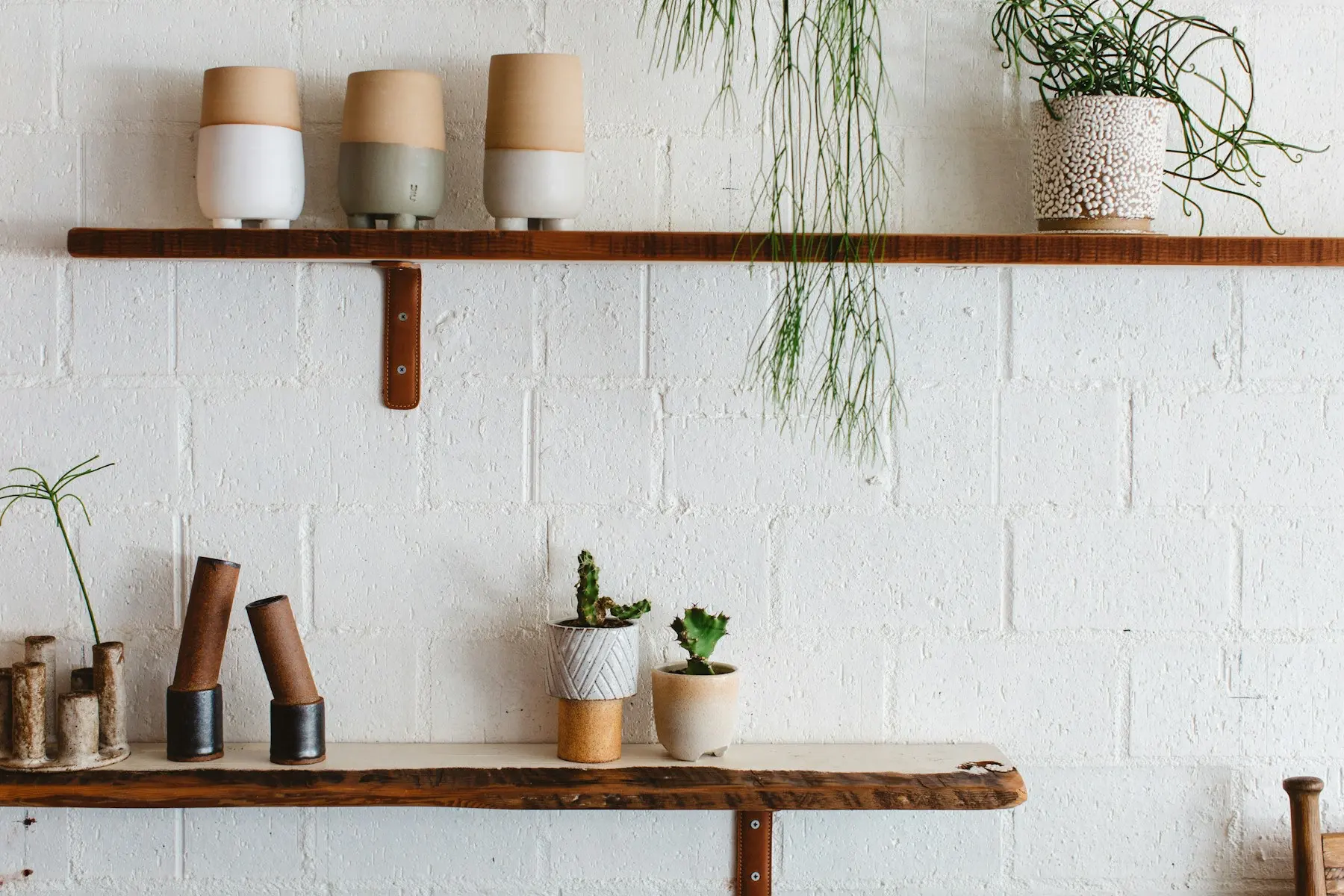
People pick up our planters and ask why the outside is bare and the inside shines. The short answer is that the inside is where the water is. The longer answer involves frost, salt and a lot of ruined windowsills.
Clay drinks
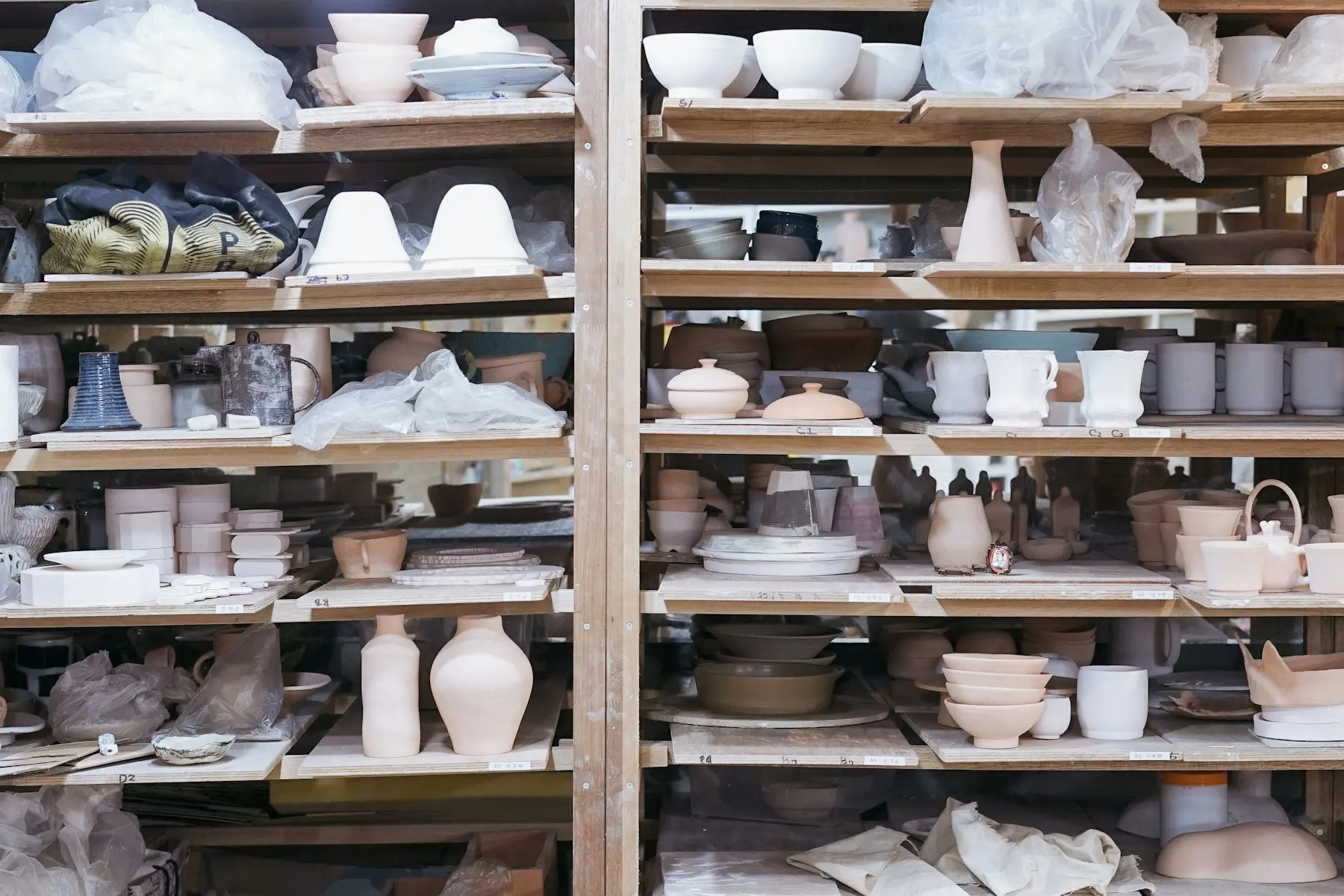
Fired clay is full of tiny pores. Earthenware, fired low, can soak up more than 10 % of its weight in water; our stoneware takes in much less, but not nothing.1 Water that moves through the wall carries dissolved salts from the soil and the tap, and leaves them on the outside as a white crust.
A glaze is a thin layer of glass fused to the clay. On the inside of a planter it stops the water there, so the wall stays dry, the crust never forms and the pot does not sweat onto the furniture.
Why not glaze the outside too?
We could, and for some pieces we do. But bare stoneware has a texture you can feel with your eyes closed, and it ages: it darkens where hands hold it, and pales where the sun hits. We like pots that show they have been lived with.
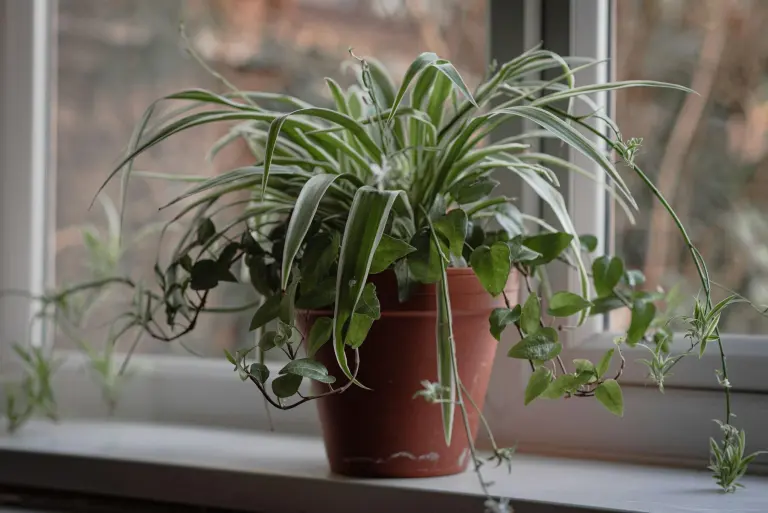
There is a practical reason as well. A pot glazed on both sides and without a drainage hole is a vase. Plants in it drown quietly. Every planter we make has a hole, and a glazed inside that drains is the best of both.
Frost, the Lviv test
A pot that spends winter on a balcony meets water that freezes. Water expands as it turns to ice, and in a porous wall that means tiny cracks, every night below zero. After a few winters, unglazed earthenware flakes. A dense stoneware body with a sealed inside survives: we have had test pots on the studio's roof since 2023.
Food safety, briefly
Our glazes are lead-free and tested for food use, because people will put herbs in a planter and then eat them, and mugs are mugs. If a glaze is not food-safe, we say so on the label and in the shop.
Glaze is not decoration. It is a raincoat with good manners.
Marko, in the studio
How to tell, in a shop
Turn the pot over. A glossy or satin surface on the inside, a clean unglazed foot ring, and a hole in the bottom: that pot was made for plants. A glossy inside with no hole is for water. A bare inside with no hole is for looking at.
Notes
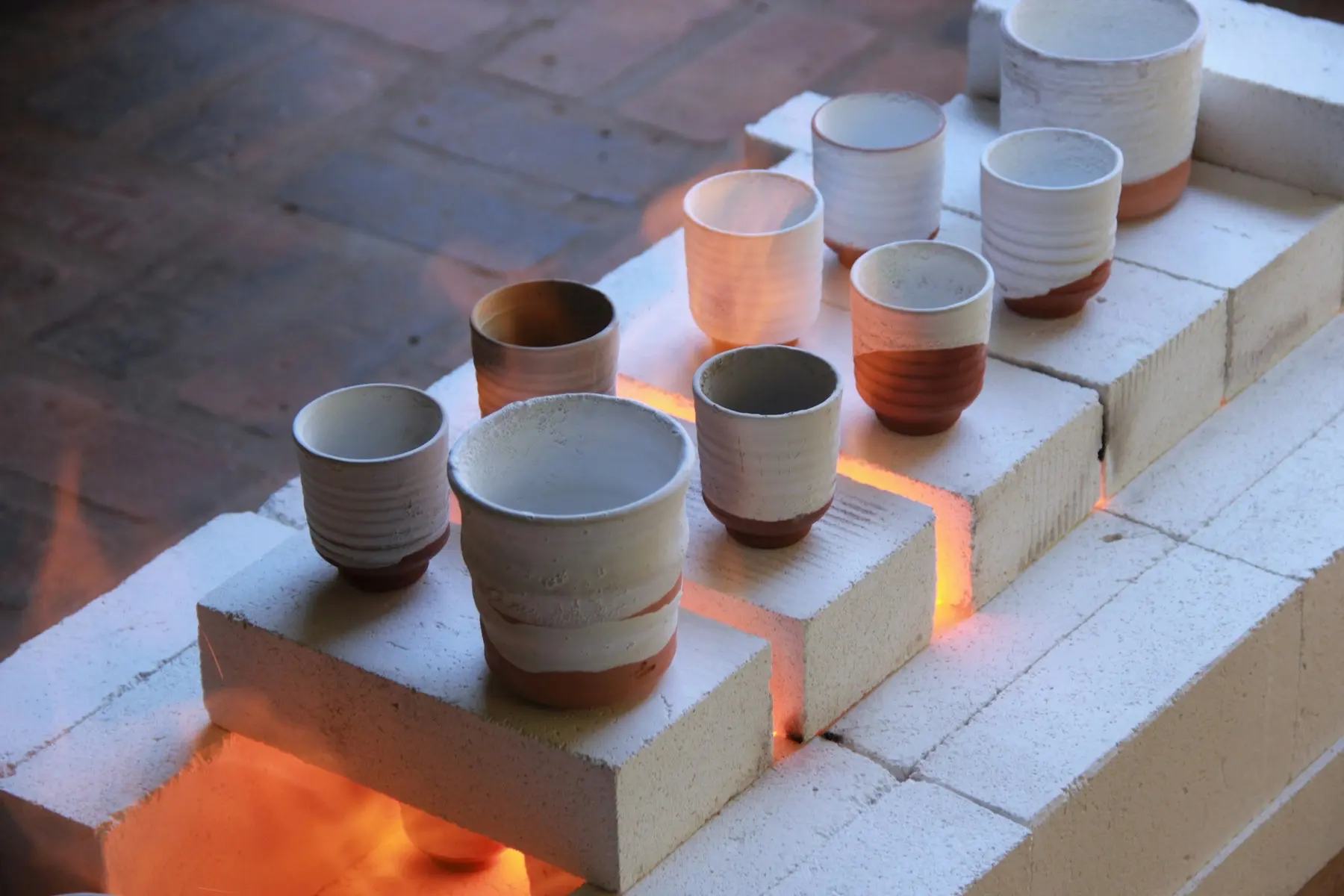
- We fire stoneware to about 1240 °C. At that heat the clay partly turns to glass, which is why it rings when you tap it and earthenware thuds. Jump to footnote reference 1
From the shop
Ask the gardener
A question about your own plant? Marko answers by email, usually within two days.