Reading the light in a north-facing window
North light is soft, steady and much weaker than it looks. A simple way to measure it, and the plants that are happy there.
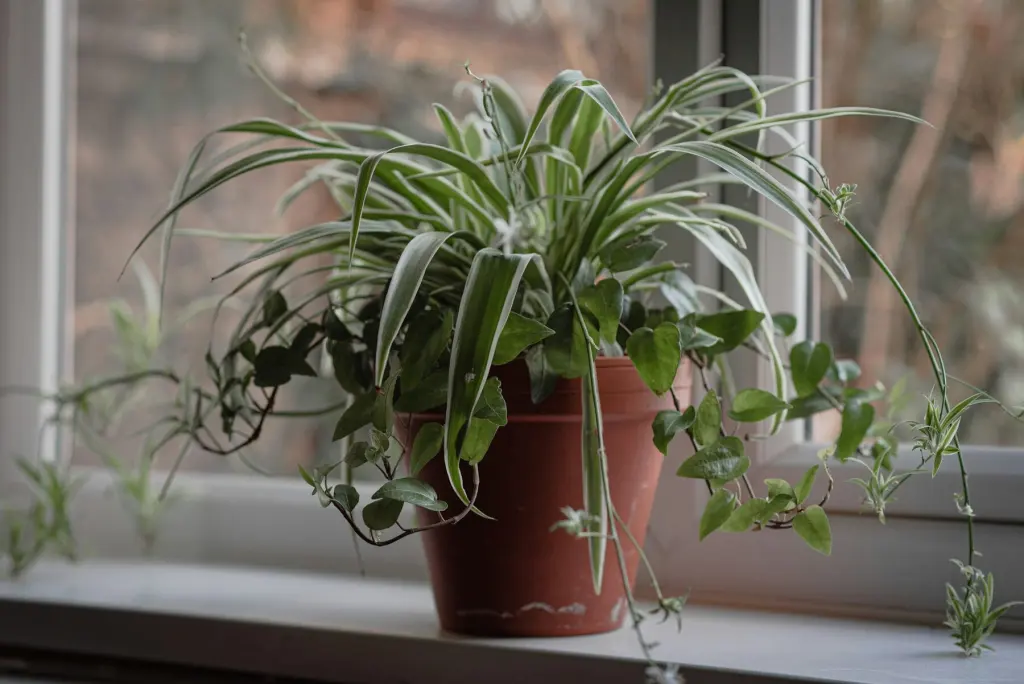
A north-facing window is the photographer's favourite: the light is even all day, with no hard shadows and no midday glare. For plants it is a different story. What looks bright to your eyes may be a tenth of what a fig needs.
Your eyes lie about brightness
Human eyes adjust. Walk from a sunny street into a room and within a minute it looks "bright enough". Plants do not adjust like that; they count every photon. A phone light meter app is crude, but it is honest: point it at the window from where the plant sits and write down the number at noon.
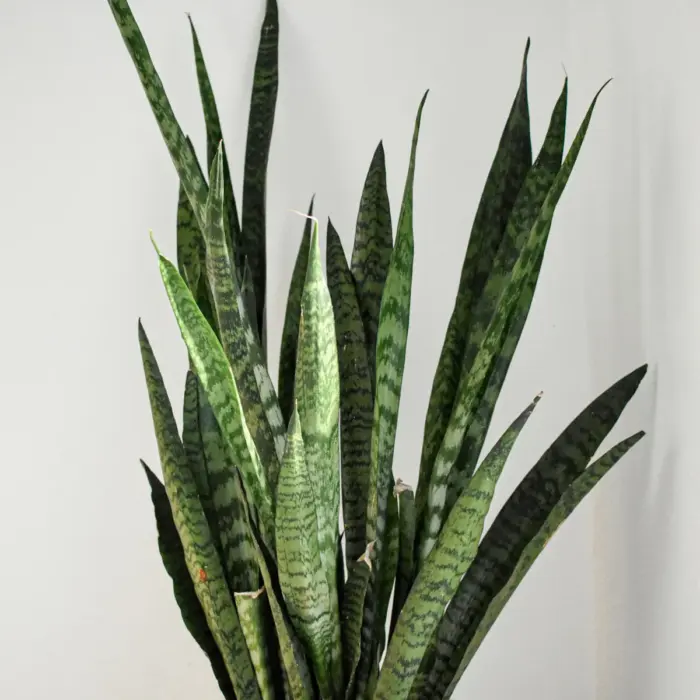
- Under 1,000 lux: survival only. Ferns, ZZ plant, snake plant.
- 1,000–5,000 lux: most "low light" plants grow slowly but properly.
- Above 10,000 lux: now you can think about figs and citrus.
The one-metre rule
Light falls off fast with distance. A plant a metre back from a north window gets roughly a third of what the sill gets, and at two metres it is in the dark as far as it is concerned.1 If a north window is all you have, use the sill itself, and keep the glass clean. Seriously: a grimy window can cost a quarter of the light.
What is happy there
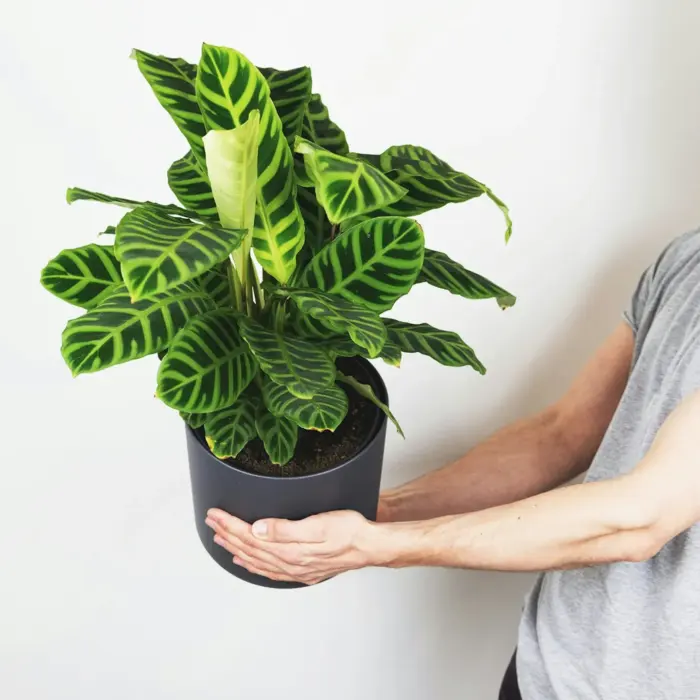
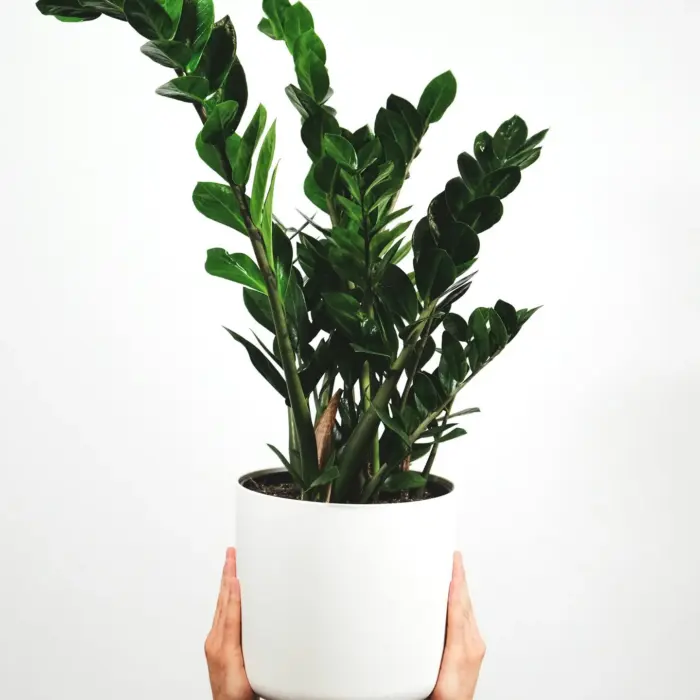
Pothos, philodendron, peace lily, calathea, most ferns, the ZZ plant and the snake plant will all grow in a good north window. Aspidistra, the "cast iron plant", will grow in a bad one. They will not grow fast, and that is fine: slow growth is still growth.
Water to match
Less light means slower drinking. The most common death in north rooms is not darkness but wet soil that never dries. Check with a finger before you water, and in winter expect the gap between waterings to double.
If you want a plant that really needs sun, a small grow light on a timer is not cheating. It is a window that faces south.
Notes
- This is the inverse-square idea, loosely: a window is not a point source, so the real drop is gentler, but the lesson holds. Jump to footnote reference 1
From the shop
Ask the gardener
A question about your own plant? Olena answers by email, usually within two days.