A terrarium is a small weather system
Closed jars make their own rain. Build one in layers, pick plants that like it humid, and learn to read the fog.
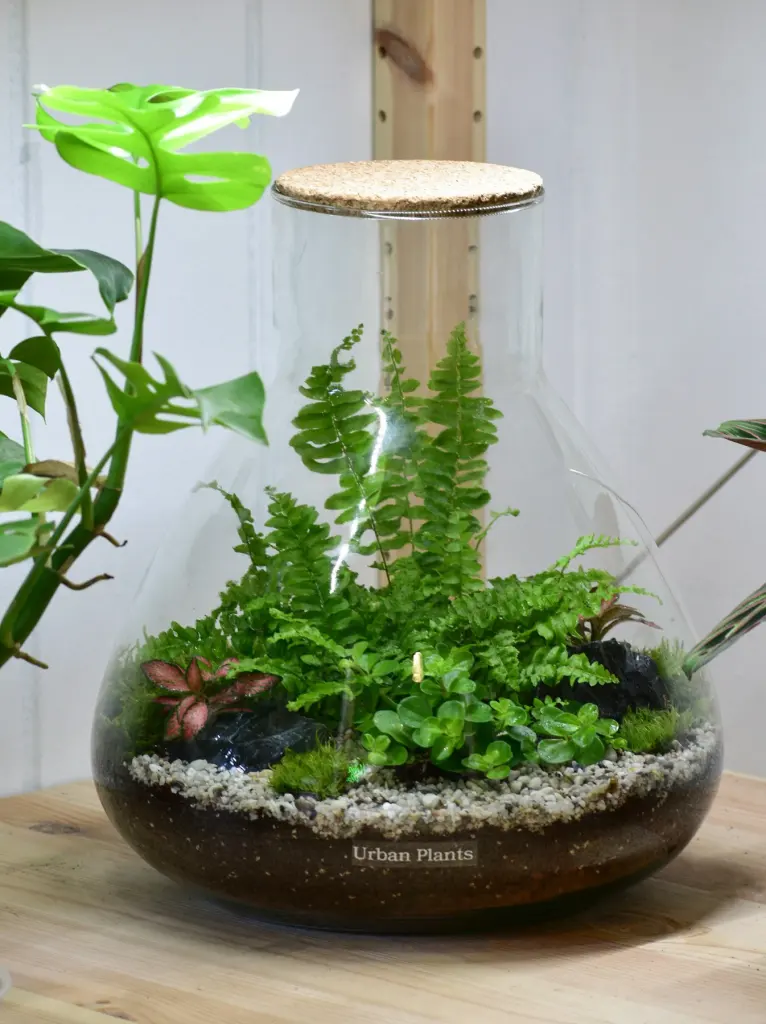
A closed terrarium is the closest thing to a self-caring plant. Water evaporates from the soil, condenses on the glass and runs back down: rain, in a jar. Get the balance right once and you might water it twice a year.
Build in layers
Water that cannot drain collects at the bottom of a jar, so the jar needs somewhere for it to go.
- 2–3 cm of pebbles or expanded clay, for drainage.
- A thin layer of activated charcoal, to keep the water sweet.
- A mesh or a layer of moss, so the soil does not wash down.
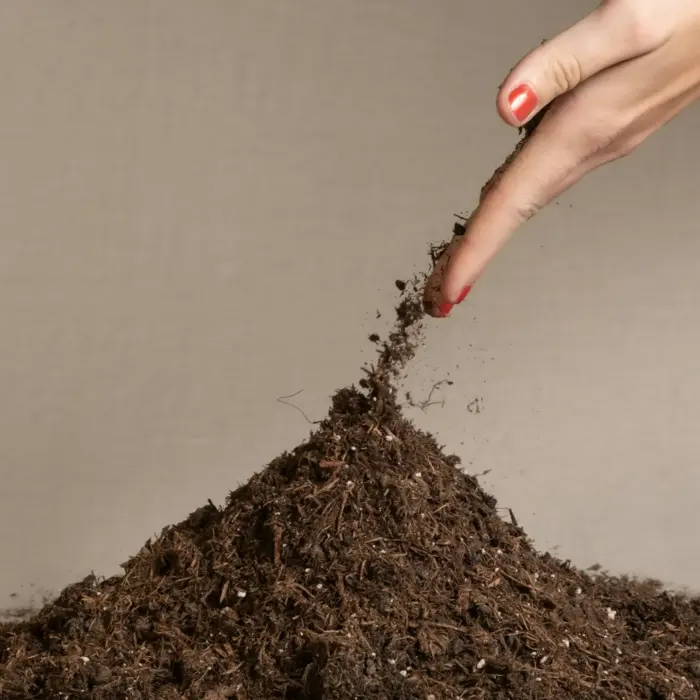
- Substrate: a peat-free mix with bark and a little sand.
Pick plants that like it damp
Ferns, fittonia, small peperomias, mosses and baby's tears all love a closed jar. Succulents and cacti hate it: they rot in humid air, however cute they look in an open bowl.1
Read the fog
In the morning, a closed terrarium should have a little condensation that clears by afternoon. Glass that stays fogged all day means too much water: open the lid for a few hours. Glass that stays clear for a week means it is time for a spoonful.
You are not looking after a plant. You are keeping the weather right.
Trim, do not repot
Plants in a jar still grow. Snip anything that touches the glass with long scissors, and take out any yellow leaf before it rots. A well-built terrarium can go for years; our oldest in the studio was sealed in 2021.
We build them at the Saturday terrarium workshop, if you would like to make your first one with jars and plants ready on the table.
Notes
- Open terrariums are a different thing: a dry, sunny bowl for succulents. The name is the same; the weather is the opposite. Jump to footnote reference 1
From the shop
Ask the gardener
A question about your own plant? Olena answers by email, usually within two days.